
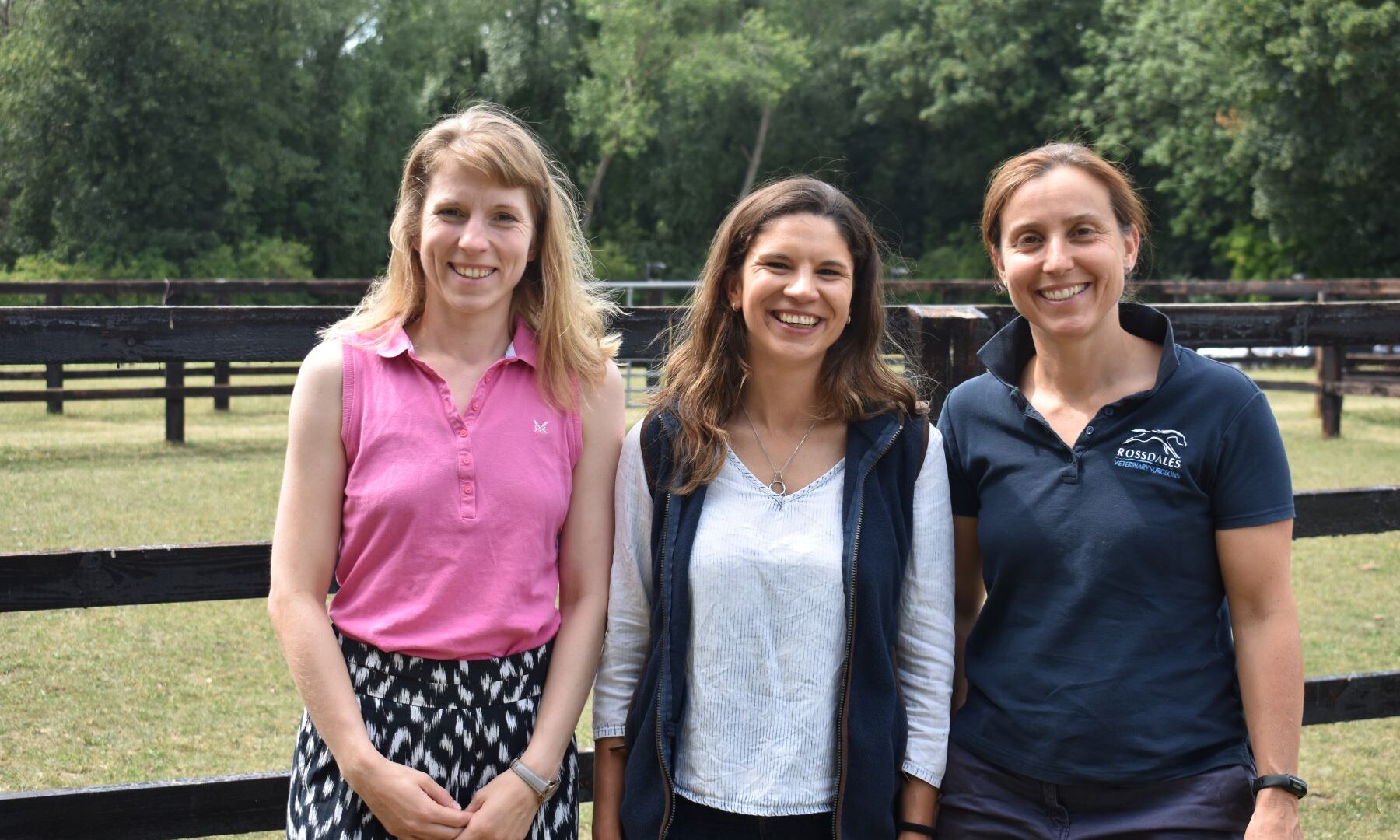
THE UK’s first seroprevalence study of Lawsonia intracellularis in foals has identified the age at which they are most likely to be exposed to the bacterium, helping stud farms determine the optimal time for vaccination.
Vets from Rossdales Equine Hospital, in collaboration with the VetPartners Clinical Board Support Team, conducted the study into Lawsonia intracellularis, the bacterium responsible for equine proliferative enteropathy (EPE). The bacterium can cause sporadic disease in foals, but until now, it has been unclear how frequently foals in the UK are exposed to it.
 Caroline Ribonnet and Emily Floyd, both RCVS Recognised Specialists in Equine Internal Medicine, and Vicky Colgate, a veterinary researcher with an MSc in Veterinary Epidemiology and Public Health, all from the world-renowned Rossdales Equine Hospital in Exning, near Newmarket, collaborated to determine antibodies to, and faecal shedding of, Lawsonia Intracellularis in foals from UK Thoroughbred Stud farms.
A total of 47 foals from six farms were enrolled and monitored from birth, with testing carried out every three months until 12 months of age. Complete data was obtained for 37 foals.
The main objective of the study was to determine the seroprevalence of L. intracellularis in mares and in foals during the first year of life on Thoroughbred stud farms in the UK. As well as the timing of seroconversion in foals, the research team were also interested in identifying any clinical signs, changes in clinicopathologic parameters and evidence of faecal shedding associated with L. intracellularis.
Most seroconversions occurred between six and nine months of age
Findings from the study revealed that at timepoint 0 (parturition), 77% of mares and 64% of foals were seropositive, indicating significant colostral transfer of maternal antibodies to the foals. Over the course of the study, 75% of foals seroconverted, meaning they became seropositive following a previous negative test, indicating exposure to the bacterium following loss of maternal antibodies.
 Only 22% (8 out of 37) of foals that completed the study did not seroconvert, and at least one seroconversion event was recorded on every participating farm. The research also identified a clear peak period of exposure: most seroconversions occurred between six and nine months of age, particularly between September and January, the autumn and winter period.
As the samples were taken before vaccination against Lawsonia intracellularis became widespread in the UK, the findings provide valuable insight to guide vaccination strategies on UK Thoroughbred stud farms. With the vaccine requiring administration 30 days prior to anticipated disease, the study’s results suggest that vaccination protocols should be commenced before the peak epidemiological exposure period of autumn/winter, and before 6-9 months of age. Additionally, the study provides comparative seroprevalence data against which future studies could explore the effect of introducing routine vaccination protocols.
The initial concept for the study came from Rossdales Clinical Director Emily Floyd, who works within their Neonatal Intensive Care Unit. Funding for the project was obtained from the Horserace Betting Levy Board (HBLB) Small Project Research Grant 2014 and the Thoroughbred Breeders Association (TBA).
VetPartners Clinical Board Support Team joined the research
 Natalie Robinson, from VetPartners’ Clinical Board Support Team (CBST), pictured left, joined the research to support with statistical analysis. The CBST has both clinical and extensive research experience and empower VetPartners clinical teams to undertake clinical quality improvement and research.
Vicky said: “This study has helped us identify when foals on UK stud farms are most likely to encounter Lawsonia intracellularis for the first time. The results suggest that exposure most commonly occurs between six and nine months of age, after maternal immunity has declined, which provides valuable information when considering vaccination strategies. By understanding this risk period more clearly, breeders and veterinarians can make more informed decisions about protecting youngstock from this potentially serious disease.”
Caroline added: “As the first UK study to investigate the seroprevalence and timing of Lawsonia intracellularis exposure in foals, these findings provide an important foundation for future research. The work improves our understanding of how widely the bacterium is present on stud farms and offers evidence that can help guide both disease surveillance and preventative healthcare strategies in the years ahead.”
- Read the study here: https://doi.org/10.1111/eve.70115
For media enquiries, contact Amanda Little, PR and Communications Director: [email protected] or 07970 198492