A YORKSHIRE equine veterinary hospital is set to become the first in the UK to perform pioneering new surgery to treat horses with a serious neurological condition.
Rainbow Equine Hospital in Malton has been successfully performing surgery on horses with wobbler syndrome for 16 years, but a new surgical technique using 3D printing technology is set to help save more lives and reduce recovery time.
Wobbler syndrome occurs when the spinal cord in a horse’s neck is compressed between two vertebrae, preventing vital nerve signals travelling from the brain to the limbs.
‘Wobblers’ can become uncoordinated and may trip, stumble or fall without warning, and many are euthanised because of the risk of injury to themselves or people around them. However, if subtle signs are detected during a neurological examination, it can result in earlier diagnosis and enhanced outcomes following surgical correction.
Rainbow Equine Hospital is one of the largest equine veterinary practices in the UK and is part of VetPartners, a vet-led group with veterinary practices and animal businesses across the UK and Europe.
The equine hospital is one of just a handful of veterinary centres around the world to perform corrective surgery for wobbler syndrome. Known as cervical arthrodesis surgery, it involves fusing neighbouring vertebrae to relieve the pinching of the spinal cord during flexion and extension of the neck.
Through performing the procedure, Rainbow’s team of highly experienced surgeons has enabled showjumping, dressage, racehorses and leisure horses that faced an uncertain future to be ridden again, and some have returned to the competition arena.
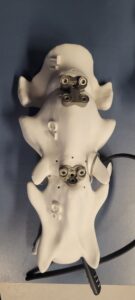 Rainbow is now set to improve the prognosis and recovery time for more wobblers by refining the surgery to use 3D-printed titanium implants to enhance the stability of the repair. It is being made possible by VetPartners, which has invested in new surgical equipment and custom-made 3D-printed guides and implants for the Rainbow team.
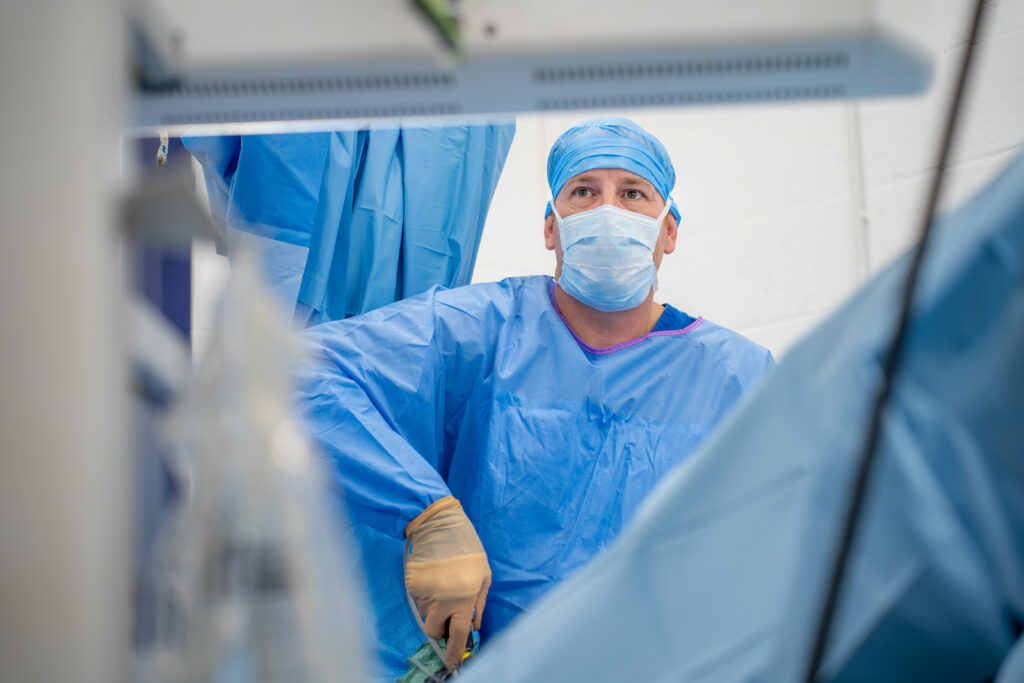
Jonathan Anderson, an equine surgeon who specialises in orthopaedic and neurosurgery and one of Rainbow’s clinical directors, has performed wobbler surgery for over 15 years and has spent 18 months training in the new surgical technique, including shadowing surgeons in the US. At Rainbow, he works alongside experienced surgical and diagnostic imaging colleagues, supported by a neurosurgical nursing and rehabilitation team that help to ensure horses have the right post-operative recovery.
He describes the pathology that leads to wobbler syndrome signs as similar to a kink in a bike chain – the two links (vertebrae) that form the kink need to be straightened out so that they longer impinge on the fragile nerves that make up the spinal cord when the neck flexes or extends.
The cervical arthrodesis surgery that Rainbow has offered since 2010 involves drilling out the disc that sits between two adjacent vertebrae and screwing in a perforated titanium cylinder. The implant acts as a bridge between the two bones and the holes enable bone to grow through, creating a bony union that effectively turns them into one vertebra.
With the advent of 3D printing, the new technique being pioneered in the UK by Rainbow will see a 3D printed titanium ‘cage’ placed into the disc space, then screwed into the adjacent vertebrae with custom-made titanium locking screws. The cage performs the same role as the cylinder, but is thought to provide greater stability.
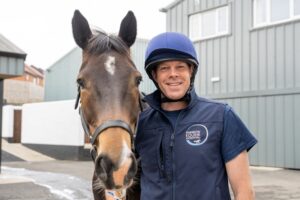 Jonathan said: “Rainbow Equine Hospital is excited to be leading the UK’s ability to perform the most advanced surgical techniques to treat wobbler syndrome and to be the first surgical team to bring this life-saving and life-changing technique to horses in the UK. We’re hugely grateful to VetPartners for providing us with the equipment that will enable us to do this.
“Based on the positive outcomes of surgeries performed in the US and France, the new cage implant will create a stronger, more stable repair that will lower the risk of complications and could significantly cut recovery time. Through the existing surgical technique we are looking at a six to nine month return to ridden work following surgery and a rehabilitation programme, but the new implant has the potential to reduce this by several months.
“Many owners and even many vets may not be aware of what can currently be done to help wobblers, but we have the ability to save horses from euthanasia and there is a positive prognosis for many horses. The addition of this exciting technique will give new hope to owners whose horses have received a wobbler diagnosis and to their vets who want to do their very best for their patients and provide an alternative option to euthanasia.”
Rainbow Equine Hospital is a Royal College of Veterinary Surgeons accredited hospital that provides 24-hour care to horses at its purpose built surgical and diagnostic centre in Old Malton and through a team of team of vets who go out on the road to visit patients. As well as caring for horses in North Yorkshire, its team of highly qualified specialist vets also treat horses that have been referred from veterinary practices all over the UK.
With the adoption of the pioneering new surgical technique to treat wobbler syndrome and the recent addition of foraminotomy surgery to relieve pressure on spinal nerves, Rainbow Equine Hospital has cemented its position at the forefront of diagnosing and treating neck-related issues in horses. From neck fractures to fusing of the spine and arthroscopy of the neck joints, the neurosurgical team at the hospital is among the most experienced in the world and receives cases from all over the UK and Ireland, as well as travelling abroad to help horses in countries in which this expertise is not available.
Article by Jo Browne, PR & Communications manager (South), email: [email protected]