Our dogs can cough for various reasons, including environmental irritants, foreign bodies in their airways, parasites or underlying health conditions.
Our teams are frequently asked about dog coughing, which can occur for a variety of reasons.
While it’s often not a cause for concern, it can sometimes indicate underlying health issues.
If your dog has developed a frequent cough or a cough that is getting worse, please reach out to your local VetPartners practice for support.
What are the common causes of dog coughing?
Dog coughing causes can range from mild to more complex health conditions that will require veterinary treatment, and symptoms can overlap, so it’s always best to check in with your vet to determine the cause and start the right dog coughing treatment.
Environmental irritants
Substances such as dust, pollen, smoke, deodorants, air fresheners, perfumes and sprays can irritate the throat and cause inflammation, which can cause a dog to cough.
Foreign bodies
Dog coughing can be caused by foreign bodies, such as a stick or grass seed, becoming stuck in a dog’s airway.
Pulling on the lead
When a dog pulls on their lead, it puts pressure on their throat, which could lead to coughing. To prevent this, you might find it helpful to use a harness instead of a collar.
Infections
Airway infections such as chronic bronchitis and canine infectious respiratory disease complex (commonly referred to as kennel cough) can cause dog coughing.
Parasites
Parasites such as lungworms can cause dog coughing. Your vet can prescribe a suitable parasite treatment, as well as a preventative care plan that meets your dog’s individual needs.
Underlying health conditions
In some cases, health conditions such as heart disease, throat or lung cancer, tracheal collapse, laryngeal paralysis or idiopathic pulmonary fibrosis can cause dog coughing. This is rare, and many cases of dog coughing have mild causes.
When should I be concerned about my dog coughing?
You should contact your vet as soon as possible if:
- Your dog has stopped eating.
- Your dog is feeling unwell and has a cough.
- Your dog’s coughing lasts for several days.
- Your dog can’t sleep because of their cough.
- Your dog collapses.
- Your dog is coughing up blood.
While these symptoms are rare, and some dog coughing goes away by itself, it’s always safest to contact your vet right away if you notice them.
How can my vet help my coughing dog?
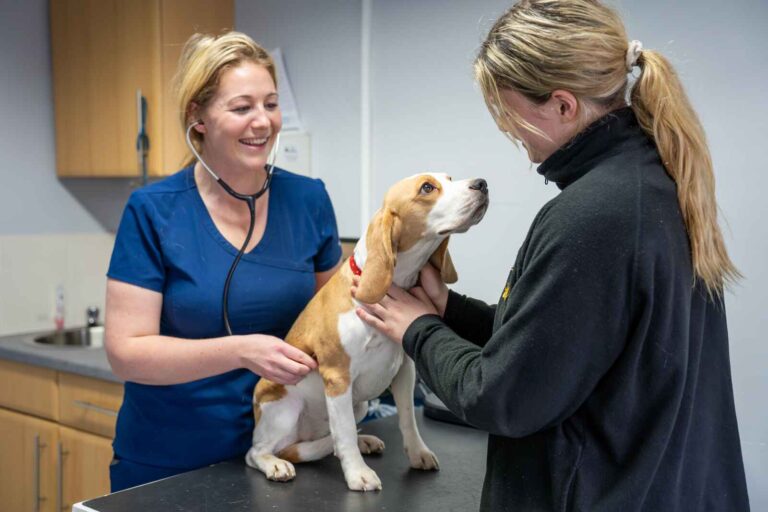
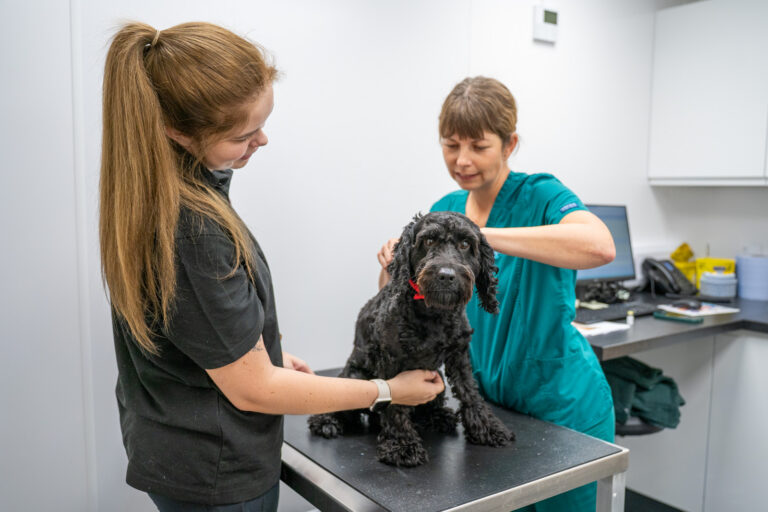
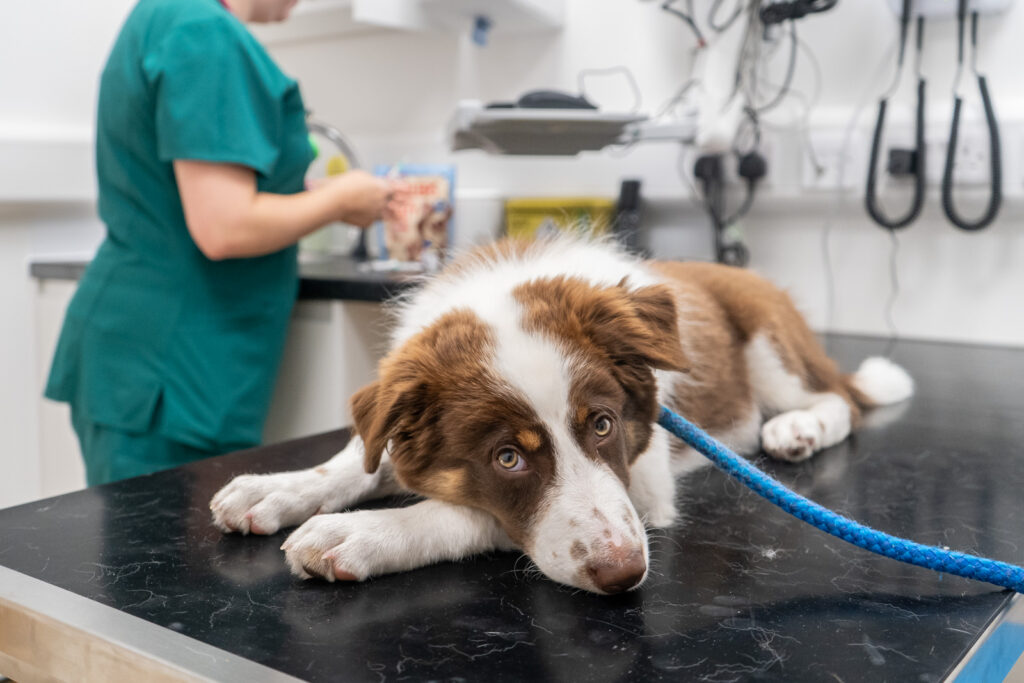
At your appointment, your vet will review your dog’s history and carry out an examination, and may recommend further tests.
Dog coughing treatments can vary depending on the cause of the coughing. Potential treatment options may include anti-inflammatories, parasite treatments or medications for underlying health conditions.
Book an appointment with your local VetPartners practice for further support and guidance.