Graduates
Helping graduates take their next steps
Our graduate development programmes are designed to support newly qualified vets making the jump from veterinary student to working professional!
Starting every September, our small animal, farm, equine and mixed graduate programmes combine training days and in-practice mentoring, allowing graduates to kickstart their career and develop their confidence and skills.
Scroll down to find out more or apply.
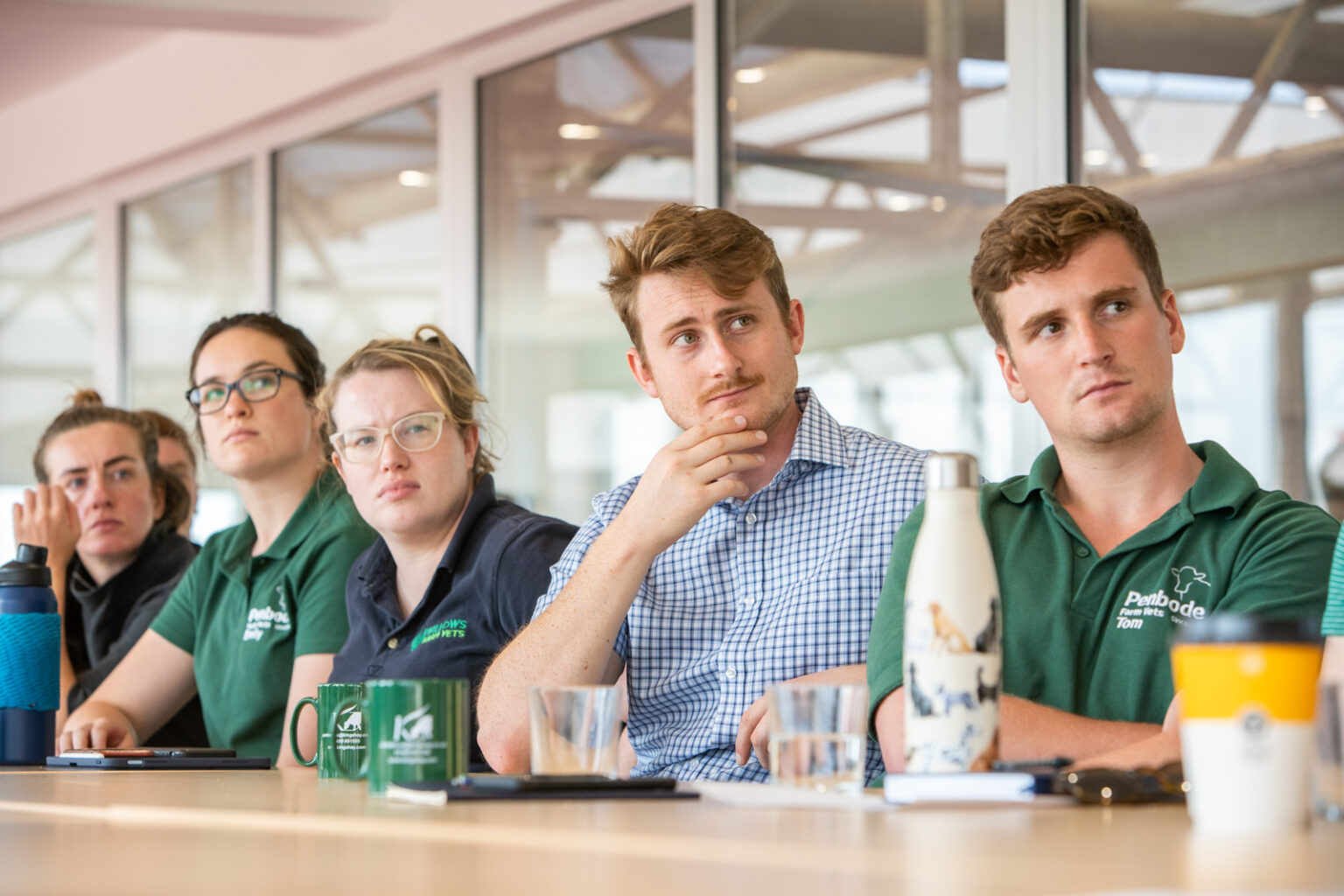
Learn more about our fantastic graduate opportunities
Enable cookies to show the embedded video
Small animal
Programme Outline
Our small animal graduate development programme is designed to build on the knowledge and skills learnt at university and provide you with the support needed to excel as a confident small animal clinician.
The programme is based around five core elements:
- Clinical CPD
- Non-clinical CPD
- Peer support
- Programme-related support
- In-practice support
Download our small animal graduate development programme leaflet to learn more
- Complete the form below to apply
Equine
Programme Outline
Designed to develop experience and confidence, our nine-month equine graduate development programme gives new grads sound training in the equine veterinary field.
You’ll spend a residential week at a VetPartners equine hospital at the beginning of the scheme to provide a foundation for ambulatory practice.
Courses are delivered using a blended learning approach, allowing you to put the theory you’ve learned into practice!
Practical CPD is spaced throughout the year, with webinars released in between to allow for a blended learning approach.
You’ll also be given a VetGDP mentor in practice, who will provide one-to-one support, and you’ll have direct contact with our central equine operations team throughout the programme.
- Equine new grad week
- Essentials of equine practice
- An introduction to equine reproduction
- Principles of equine dentistry
- Castration
- Fundamentals of diagnostic imaging in equine practice
- Equine CPD events
Equine internships
Many of our equine hospitals offer comprehensive internships for equine veterinary graduates who are passionate about equine medicine and surgery.
Combining clinical training, rotations with different departments (including surgery, medicine, lameness and diagnostics), professional development, mentorship and training, our internships provide an invaluable opportunity to gain hands-on experience, enhance clinical skills and work alongside experienced vets.
The training you’ll receive can open doors to advanced positions and specialisations in equine veterinary medicine, as you’ll have the opportunity to network with leading professionals in the field.
To apply, please reach out to one of our equine hospitals: Rossdales Equine Hospital, Liphook Equine Hospital, Bourton Vale Equine Hospital, Chine House Veterinary Hospital, Three Counties Equine Hospital
They’ll typically ask you to complete an online application and send them a CV and covering letter.
Farm
Programme Outline
Our diverse farm graduate programme reflects modern farm animal practice, and aims to equip newly qualified farm veterinary surgeons with the knowledge and skills to deal with individual animals, routine fertility visits and herd/flock health problems in an evidence-based way.
Courses are delivered by experienced practitioners, who can provide you with practical tips for applying the knowledge and skills learnt on farm.
The programme uses a blended learning approach, combining lecture notes, slides and additional resources with face-to-face teaching, as well as regular webinars, journal clubs and opportunities for case presentations and discussions.
You’ll also be able to make the most of one-to-one and group mentoring sessions with a friendly VetPartners mentor.
- Consulting and communication skills
- Clinical decision making, focusing on sick cows and calves
- Obstetrics and emergencies
- Reproduction and fertility
- Investigating disease outbreaks, including diagnostics and veterinary surveillance
- Youngstock management and heifer rearing
- Beef and Sheep
- Clinical nutrition
- Production diseases, including udder health and lameness
- Camelids and smallholders
- Farm animal practice as a business
Complete the form below to apply.
Pig and Poultry
Programme Outline
Poultry Health Services (PHS) offer internationally acclaimed veterinary care for poultry keepers, backed by a full range of diagnostics.
Their team have a wealth of experience, and use science-led innovation to address the needs of poultry producers.
- The structure of the poultry industry
- The relationship between bird health and welfare, farm management, nutrition, biosecurity, cleaning procedures and vaccination protocols
- The most significant poultry diseases, with an emphasis on epidemiology, pathogenesis, clinical presentation and lesions, diagnosis, control and treatment
- The skills and confidence to perform the appropriate routine diagnostic procedures
- A working knowledge of the available databases and software to interpret and input clinical data
Topics covered:
- Industry structure and poultry production: broiler breeders, broilers, layer breeders, commercial layers, turkeys and game birds.
- Sampling techniques: blood sampling, organ sampling, FTA paper impressions, water sampling, environmental sampling, tracheal and cloacal swabbing.
- Hands-on experience, including visits to poultry units, laboratories, breed farms, vaccine manufacturers and hatcheries.
- Laboratory diagnostics: bacteriology, serology, histopathology, microbiology and molecular diagnostics.
- Key poultry diseases: epidemiology, diagnosis, treatment, control and prevention.
- Data management: data input and reporting and veterinary medicine prescriptions.
- Diagnostic procedures: clinical inspections, necropsy examination, coccidiosis screening, pododermatitis and gait scoring.
- International CPD (minimum of one international CPD course during the internship).
Complete the form below to apply