
Updated: 21/11/25
Many of us like to view the new year as a fresh start, whether we’re setting new goals or trying something new.
Let’s extend this positive attitude to our pets and get the year started the right way! Here are 10 healthy habits for you and your pet to maintain in 2026.
On this page:
- Check in with your pet
- Parasite prevention
- Protect their pearly whites
- Microchipping is top dog (and cat)
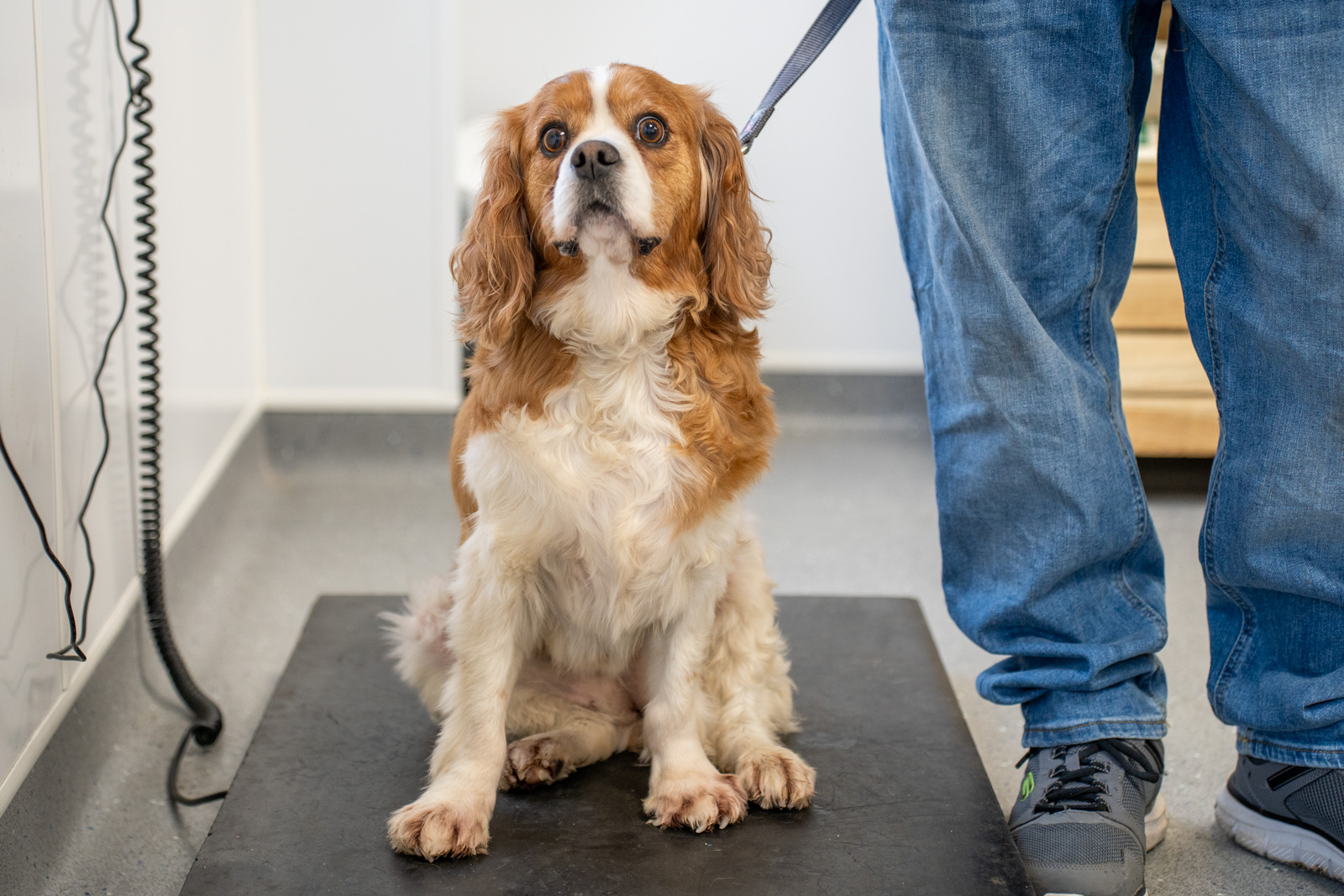
- Watch their weight
- Regular exercise
- Food, glorious food
- Regular grooming
- Senior pets
- Mental stimulation
1. Check in with your pet
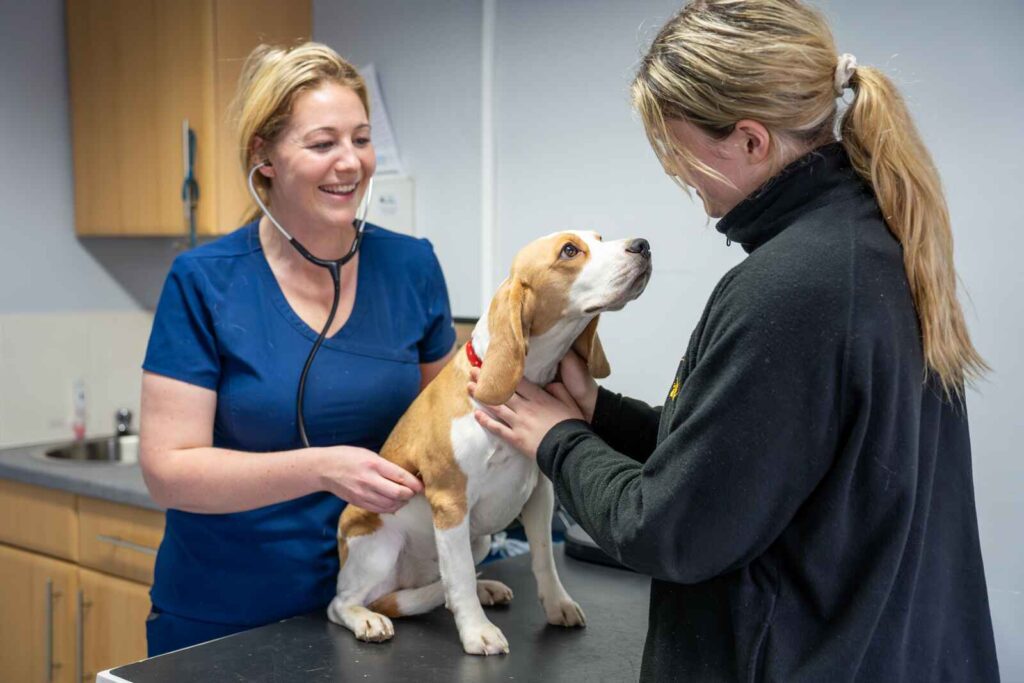
Regular check-ups and vaccinations are an easy and important way of detecting and preventing health issues early.
If your pet hasn’t been to the vets in a while, or you have noticed any changes in their habits or behaviour recently, why not book an appointment?
2. Parasite prevention
To identify parasite risks to your pet based on their lifestyle, and to help prevent your pet being affected by fleas, ticks and worms, it’s important for your pet to have a suitable, tailored preventative healthcare routine in place.
Your veterinary team will be able to recommend an appropriate tailored preventative treatment plan to meet your pet’s individual needs.
3. Protect their pearly whites
The best way to look after your pet’s teeth is to take them for regular dental appointments, where we can detect any issues or signs of dental disease.
If you notice any changes in your pet’s teeth, or if they haven’t had a dental check-up for a while, please get in touch with your veterinary practice.
In between check-ups, it’s also advisable to brush your cat or dog’s teeth regularly with a pet-safe toothpaste. Your veterinary team can show you how to train your pet to have their teeth regularly cleaned.
If you are struggling to brush your pet’s teeth at home, then please speak to your veterinary team, who will be more than happy to offer advice and show you how to do it.
4. Microchipping is top dog (and cat)
Did you know that microchipping is a legal requirement for all dogs over the age of eight weeks and all cats over the age of 20 weeks?
It also acts as a safe and permanent way of identifying your pet, and is the best way to ensure that they can be returned to you if they are lost or stolen.
While collars and tags can be lost or removed, microchips are a more reliable and permanent form of identification.
It’s also a legal requirement that your details are kept up to date on the microchipping database. You can be fined if they are lapsed.
5. Watch their weight
As part of regular routine check-ups, your vet will be able to weigh your pet and advise you on whether they are a healthy weight.
If your pet is overweight or underweight, then we can put together a suitable feeding plan, which may include changes in diet and/or exercise to help your pet achieve their optimum weight.
6. Regular exercise
The amount of exercise dogs need depends on their age, size and breed – your vet will be able to advise you on how much exercise your pet will need, and how often they need to do it.
7. Food, glorious food
Your veterinary team will be able to advise you on suitable diets for your pet and how much you should be feeding them each day.
Remember to introduce new diets gradually to avoid stomach upsets.
8. Pamper your pooch
Regular grooming is not only good for your pet’s hygiene and comfort, but it also gives you the opportunity to bond and to check for any changes (such as new lumps or bumps, or changes in their coat).
The veterinary nurses at your practice will also be able to assist with grooming tasks such as nail clipping and anal gland expression.
9. Take care of your golden oldie
As our pets get older, their needs can change. If you have a senior pet, regular check-ups with your vet are a great way to detect any issues early and put a suitable treatment plan in place.
10. Keep things interesting
Mental stimulation is vital for pets, especially as they get older. Try feeding dogs in different ways, such as using snuffle mats, dispensing devices or puzzle feeders, which can make feeding more interesting and fun.
For further advice and support, please contact your local VetPartners practice.
If you found this interesting, why not read…
- How to support your senior dog
- Taking your dog safely to the vets
- A guide to microchipping your dog or puppy
- How to support your senior cat
- Taking your cat safely to the vets
- A guide to microchipping your cat