
Happy spring! As we look forward to the arrival of better weather (fingers crossed) and the joys of the season, it’s important to be mindful of some of spring’s potential dangers.
Chocolate and Easter treats
You’ve probably heard that dogs should never get their paws on chocolate! That’s because it contains theobromine and caffeine, compounds that are poisonous to dogs.
How dangerous chocolate is depends on the type and amount eaten and the size and health of your dog.
Certain sweets can be toxic to our pets if ingested, and some sweeteners can cause low blood sugar and liver damage.
Easter snacks containing dried fruit, such as hot cross buns and fruit cake, should also be kept safely out of reach from pets, as they can cause damage to your dog’s kidneys if eaten.
The sooner we can intervene when pets eat toxic foods, the better. If you are worried that your pet has eaten something they shouldn’t, we are here to help.
Call your local veterinary practice as soon as possible and they can offer further advice.
Spring cleaning
If you’re planning on doing a spot of spring cleaning, be careful about using cleaning products around pets.
Many household cleaning agents contain chemicals that can be harmful or toxic to pets, so be careful that they don’t ingest them or get them on their skin or paws.
Bleach, ammonia and certain detergents can cause irritation, respiratory issues or more severe health problems for our pets.
Be sure to store any cleaning products or chemicals securely out of reach, and make sure that you follow the proper usage guidelines.
Keep your pets away from the areas being cleaned until all surfaces are completely dry and any chemicals have dissipated.
Always read labels carefully and opt for pet-friendly or non-toxic cleaning alternatives, wherever possible.
If you’re worried that your pet has come into contact with or ingested a cleaning product, or is showing any signs of distress, please contact your local veterinary practice immediately for guidance.

Grass seeds
With the weather (hopefully!) improving, you and your pet may be spending a little more time outdoors.
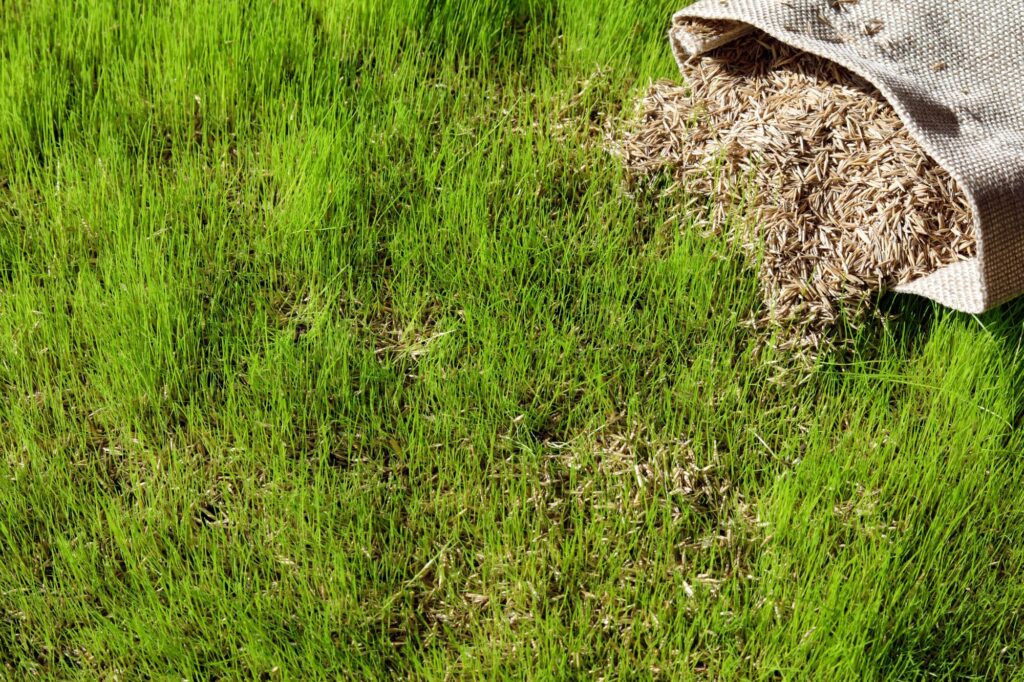
Grass seeds might seem harmless, but they can pose a threat to our pets.They have tiny barbs that can lodge into the skin, paws, ears, eyes and nostrils, leading to irritation, discomfort, infections or abscesses if not promptly removed.
After walks or playtime in grassy areas and woodland, brush through your pet’s coat and check their fur, especially their ears, armpits and between their toes, for any lodged seeds.
We recommend keeping longer fur trimmed, as this can reduce the chances of seeds becoming embedded.
We would also advise you to avoid letting your pets roam in areas with overgrown grass or wild plants known for problematic seeds.
If you suspect your pet has encountered grass seeds or is showing signs of discomfort, such as excessive licking, sneezing or pawing at their ears or eyes, please contact your local veterinary practice as soon as possible.
Flowers
As spring kicks into gear and our gardens start to bloom, we should be aware of the flowers our pets might come into contact with, as some can pose a risk.
Flowers such as lilies, tulips, daffodils, azaleas and chrysanthemums are toxic to pets if ingested.
Even small amounts can lead to various health issues, ranging from gastrointestinal upset to more severe conditions like kidney failure.
If you think that your pet has nibbled on or ingested any flowers, especially those known to be toxic, please contact your veterinary practice straight away. Quick action is crucial to reduce potential harm.
You should also be cautious when choosing indoor and outdoor plants. Opt for pet-friendly blooms like marigolds, roses, sunflowers or pet-safe alternatives, and keep plants out of reach, as ingestion can cause stomach issues for pets.
For further advice about keeping your pet safe this spring, please contact your local VetPartners practice.
Found this article useful? You may also like: