Updated: 23/02/26
Rabbits need dietary fibre to keep their guts working and help maintain normal wear on their continually growing front and cheek teeth.
Unlimited, good-quality hay and grass should make up most of their diet, alongside small amounts of greens, fresh food and pellets.
Avoid muesli, treats, human foods, supplements and poisonous garden plants, and use rabbit-safe tree branches to satisfy their desire to gnaw.
Water should be changed daily, containers should be cleaned to prevent bacteria building up, and water bowls should be used alongside or instead of bottles.
Your vet will be able to advise you on the best diet for your rabbit.
What you need to know
Feeding the correct diet is essential to keeping your rabbit healthy.
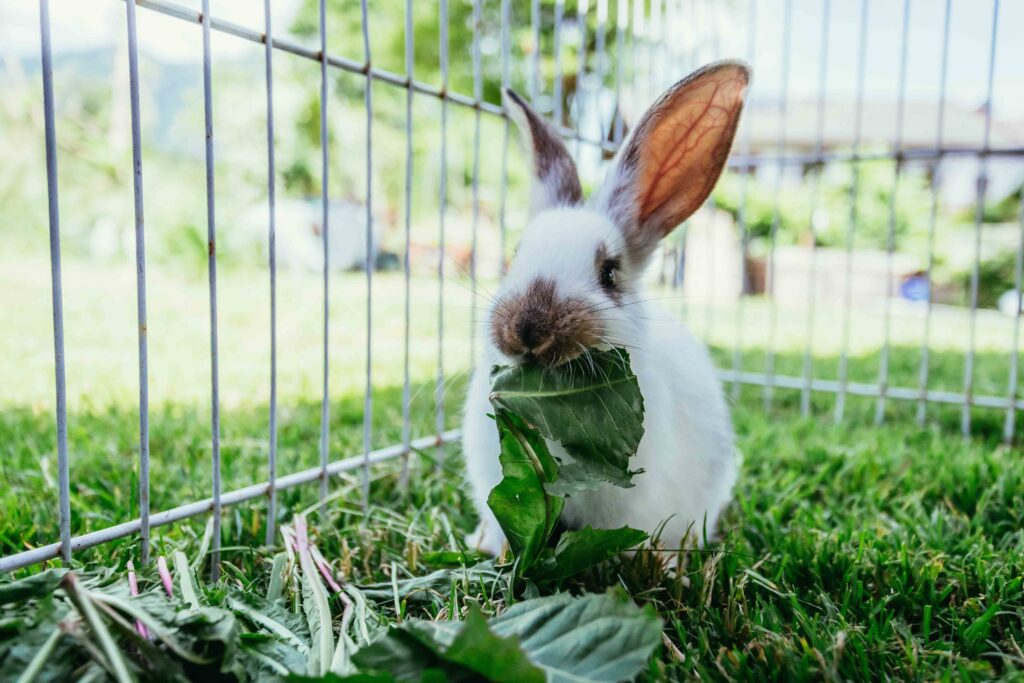
In the wild, a rabbit’s natural diet consists mostly of grass and foraged plants, which contain long fibre that is slowly digested.
Fibre from hay and grass is essential, as it stimulates gut movement, maintains healthy gut bacteria and helps to grind down rabbits’ rapidly growing back teeth.
Unlimited, good-quality hay and grass should make up the majority of your rabbit’s diet, and can be fed alongside small amounts of greens, fresh food and pellets.
Exclusive pellet and muesli-based diets should be avoided. Muesli based diets often encourage selective feeding (where rabbits eat the bits they consider tasty and leave the rest, negatively impacting their nutrition).
Rabbit pellets or complete food is a better alternative to rabbit muesli, as it discourages this selective way of feeding.
A small amount of complete rabbit pellets can be offered alongside hay or grass as part of a balanced diet. Please always refer to the feeding instructions on the bag and contact your vet practice for advice if you have any questions.
Always speak to your veterinary practice if you need advice on your rabbit’s diet, as the wrong foods can negatively impact dental health and reduce gut mobility, which may result in serious health problems.
Does my rabbit need supplements?
Avoid giving your rabbit supplements unless directed by your vet. The best way to ensure your rabbit gets the vitamins and minerals they need is to feed them the correct diet.
Grass and hay, all the way!
Unlimited, good-quality hay and grass should make up the majority of your rabbit’s diet, alongside small amounts of greens/fresh food and pellets.
Good quality hay should be sweet smelling, slightly green and dust free. Never feed grass clippings from the lawnmower as these ferment too quickly once eaten and can make your rabbit very ill.
The importance of chewing and gnawing
Rabbits must constantly eat fibre to keep their guts working and to wear down their continually growing front and cheek teeth.
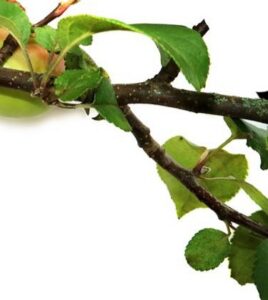
Branches from hazel, plum, pear and apple trees can be used to satisfy your rabbit’s desire to gnaw, but will only wear down the front teeth rather than the back teeth (feeding plenty of food containing long fibre is needed for this).
Offering fresh foods
Introduce fresh food slowly, and any foods that cause diarrhoea should be reintroduced very gradually or not fed again.
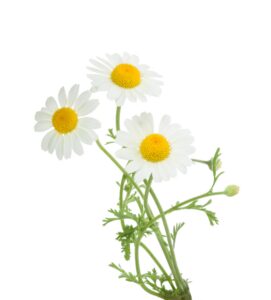
Always speak to your vet if you need guidance on this. Fresh food (except grass) should make up less than 10% of the rabbit’s diet and some examples are shown below:
Vegetables
|
|
|
Fruit (only feed small amounts)
|
|
|
Herbs
|
|
Weeds
|
|
Flowers
|
|
|
Trees (great for gnawing!)
|
|
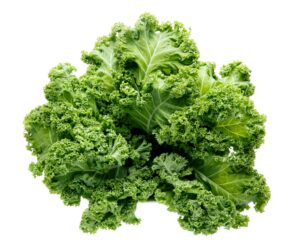
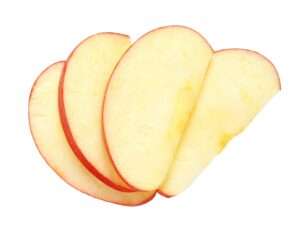
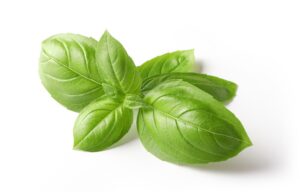
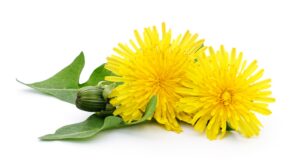
Things to remember when offering fresh foods
- The majority of your rabbit’s diet should come from good quality grass and hay.
- Greens, fresh vegetables and complete pellets may be offered in moderation.
- Vegetables can be suspended from the cage roof to act as an edible toy and keep your rabbit occupied. Mini hay nets, racks and hollow logs are useful for keeping your rabbit busy and providing stimulation.
- Fruit should be avoided or offered occasionally, in very small amounts, as it is too high in sugars for everyday feeding. Fruit treats can include strawberries, pineapple (remove skin), apples (remove stem and pips), pears, melon slices, banana slices (remove peel), raspberries and peaches.
- Carefully identify and thoroughly wash all fresh foods before offering them.
Feeding your rabbit. Infographic detailing fresh food that can be safely offered to your rabbit as part of a balanced diet.
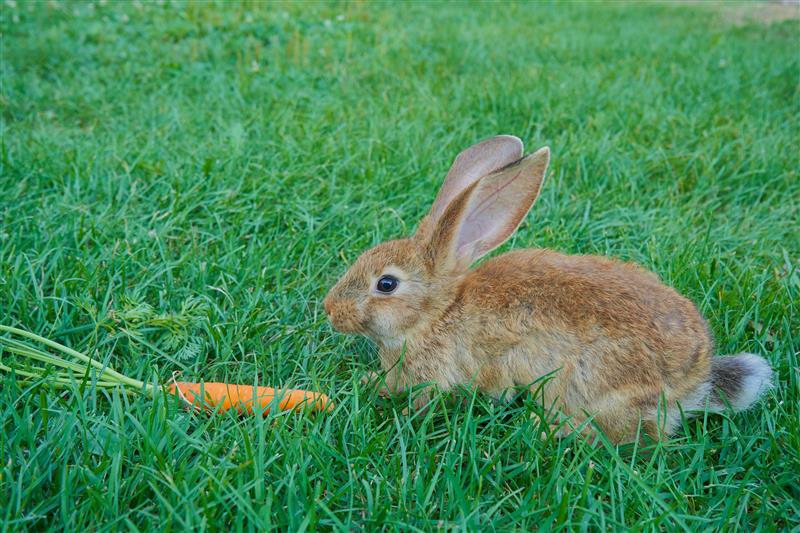
Foods to avoid
Avoid feeding chocolate, bread, nuts, crisps and biscuits, and practice caution when offering other treats.
If in doubt, it is better to avoid feeding human foods, and your veterinary practice will be happy to offer guidance if needed.
Poisonous plants
Always make sure your rabbit’s environment is safe, and be very careful to identify any fresh foods you offer; many house and garden plants are poisonous to rabbits.
A handy list with helpful pictures can be found on the Rabbit Welfare Association and Fund website.
Providing water
Water should be changed daily, and containers should be cleaned to prevent the build-up of bacteria within them.
Water bowls should be used as well as, or instead of, bottle drinkers.
Obesity
Obesity is common in rabbits and can cause numerous health problems including skin issues (as they are unable to groom properly), arthritis (inflammation of the joints), digestive issues and a reduced life expectancy.
Overweight rabbits also often struggle to reach their bottom to remove the soft mucous poos they pass overnight.
The matted poo that builds up around their backend attracts flies and increases the risk of flystrike, which can be life threatening.
Following a proper diet, feeding fresh food and pellets in moderation, giving your rabbit plenty of space to exercise and having them weighed regularly will help to stop them from becoming overweight and safeguard their future heath.
If you are concerned about your rabbit’s weight, speak to your veterinary team for further support.
If you have any questions about your rabbit’s diet or are concerned about their health, please reach out to your local veterinary practice for further support.
With many thanks to Deborah Stafford MA VetMB MRCVS GPCertExAP for contributing to this content.
Useful resources:
- RWAF – Rabbit diet: https://rabbitwelfare.co.uk/rabbit-care-advice/rabbit-diet/
- RWAF – Greens, Veg and Herbs: https://rabbitwelfare.co.uk/rabbit-care-advice/rabbit-diet/greens-veg-herbs/
- RWAF – Hay! The Grass Roots: https://rabbitwelfare.co.uk/rabbit-care-advice/rabbit-diet/hay-grass/
- RWAF – Obesity, Commercial Food and Treats: https://rabbitwelfare.co.uk/rabbit-care-advice/rabbit-diet/rabbit-diet-obesity-commercial-food-treats/
- RWAF – Recommended Vegetables and Herbs: https://rabbitwelfare.co.uk/rabbit-care-advice/rabbit-diet/recommended-vegetables-herbs/
- RWAF – Poisonous Plants: https://rabbitwelfare.co.uk/rabbit-care-advice/rabbit-diet/poisonous-plants-rabbits/
- RWAF – The importance of water: https://rabbitwelfare.co.uk/rabbit-care-advice/rabbit-diet/rabbit-diet-water/
Did you find this article useful? You may also like: