
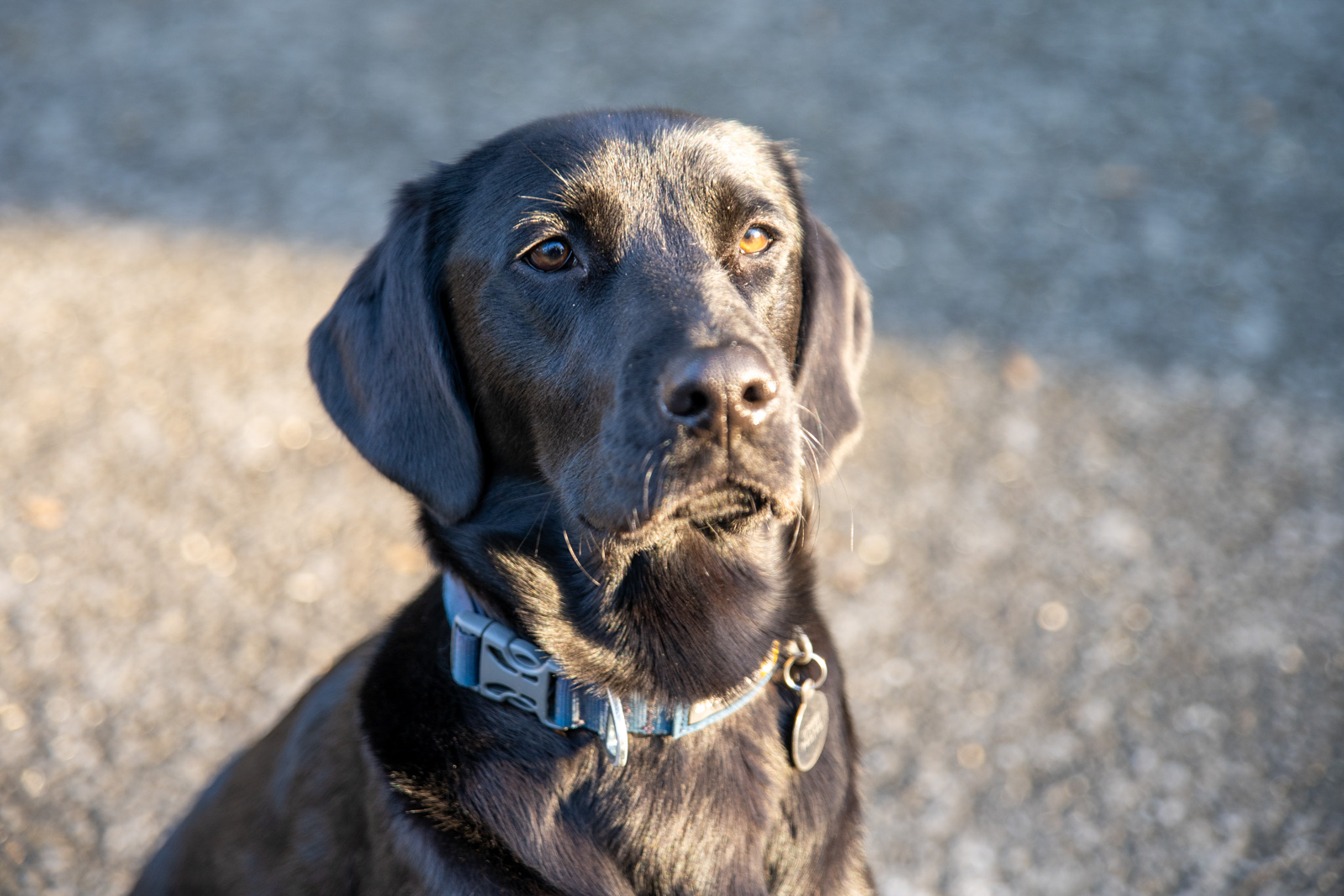
As our dogs get older, their needs and preferences may change. Read on for our top tips for supporting your golden oldie.
On this page:
Comfort is key
Provide somewhere comfortable, warm and cosy for your pet to sleep that meets your dog’s specific needs.
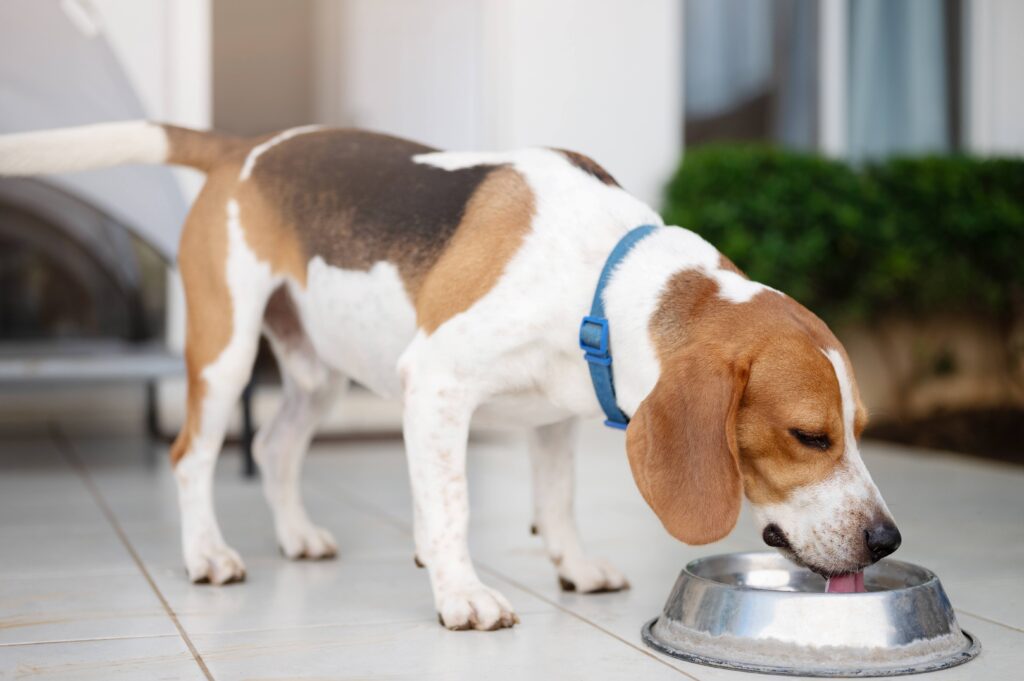
Make sure everything they need is easily accessible, and provide extra water sources to help them stay hydrated throughout the day. Feeding and water spots should be within easy reach
Non-slip mats and steps are also helpful, while rugs and carpets can prevent slipping and are easier for older dogs to walk on. Ramps can also be helpful for getting into and out of the car.
The right diet
Your dog’s dietary needs will change as they get older, and your vet will be able to advise you on the best options.
Monitor how much your dog is eating and drinking, and mention any changes in eating, drinking and toileting habits or weight to your vet to rule out underlying medical issues.
Try feeding dogs with dispensing devices, so that they have to work to eat. This will provide mental stimulation.
Ensure food and water bowls are at the ideal height for your dog. They may be more comfortable eating from a bowl raised to chest height, and watching them eat will help you work out how they like their bowl placed.
Meet their changing needs
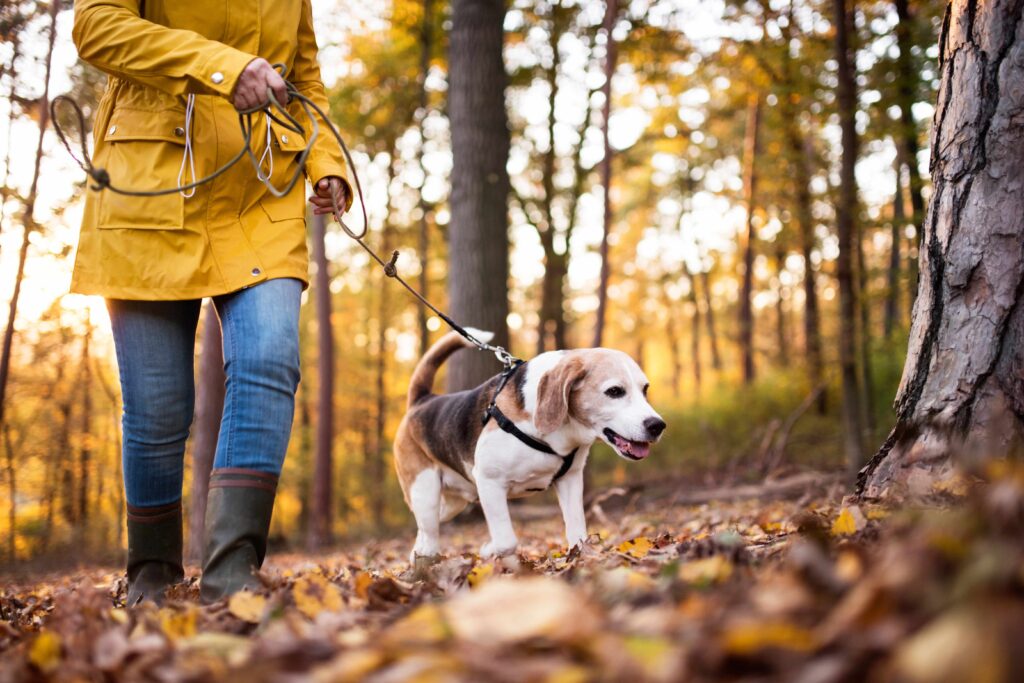
Older dogs need regular exercise and mental stimulation, so walk them little and often and avoid exercise that might put too much pressure on their joints, like chasing balls.
Consider a coat in colder weather and keep them at a healthy weight. Remember that it’s important to be consistent and avoid changes in their exercise patterns.
Letting them sniff, explore and play with toys and feeders also keeps them entertained and mentally stimulated.
If your dog seems stiff or struggles with stairs or getting into cars, ramps and steps can help, but make sure to get them checked out by the vet as they could be in pain.
Maintain a healthy lifestyle
Maintaining regular activity and a healthy weight gives your dog a better chance of looking and acting youthful – just like humans!
A decline in eyesight or hearing can cause confusion, so try to reduce changes in their environment and the layout of furniture. Please check with your vet if you notice sudden changes to these.
Regular dental checks are essential for checking for signs of painful dental diseases.
Older dogs might need their nails trimming more often, especially if they’re exercising less – your veterinary team will be happy to help you out with this if you’re struggling to do this at home.
For further advice, please reach out to your local VetPartners practice.