
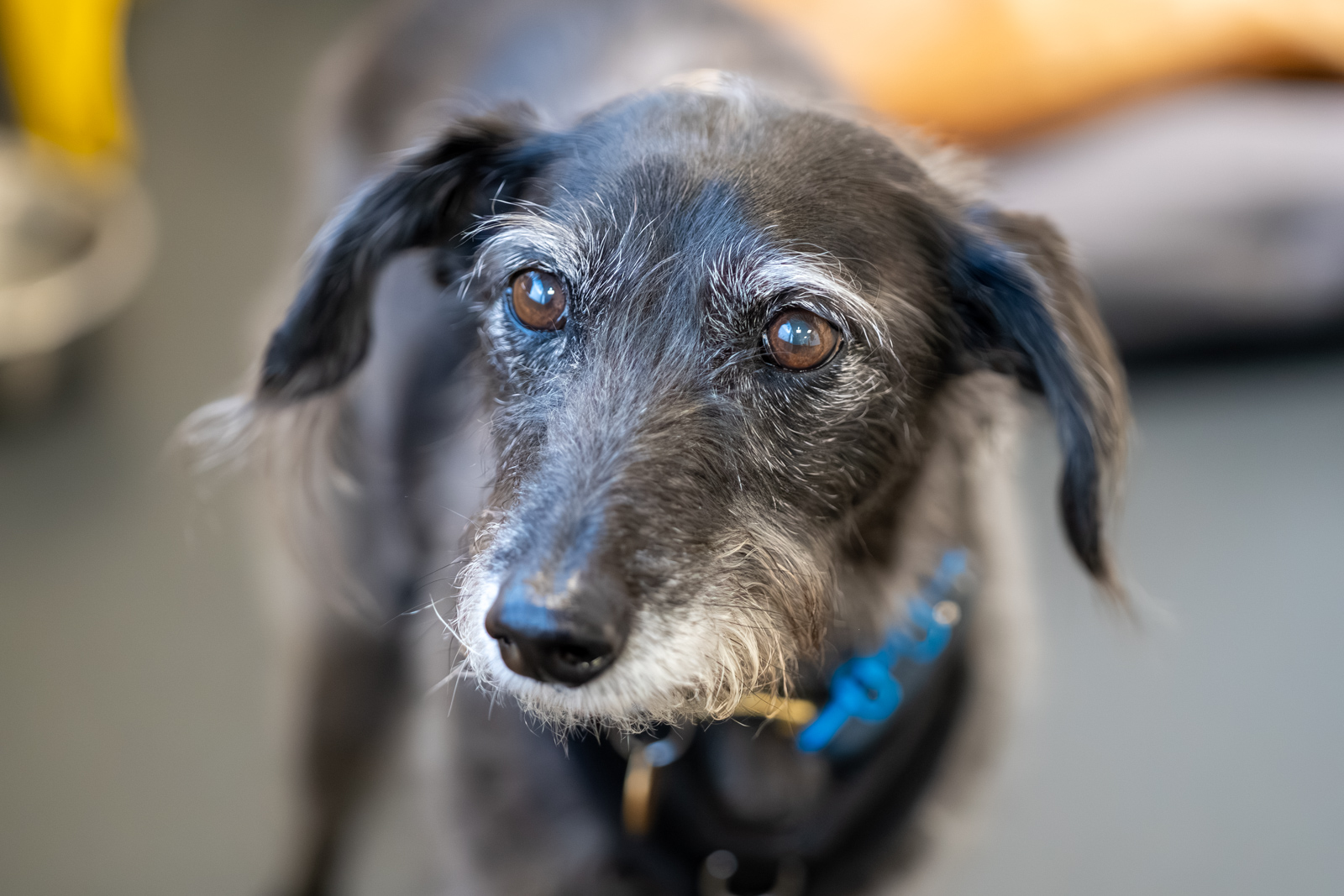
SLOWING down, sleeping more, becoming fussy with food and drinking more could be signs of a health problem and not simply a pet getting older, vets have warned.
As our pets live longer, vets at VetPartners are urging owners not to dismiss changes in their older dogs and cats as simply part of getting old.
Subtle changes in behaviour, mobility, appetite, sleep and energy levels can sometimes be the first signs of an underlying health problem – and identifying them early can make a real difference to an older pet’s comfort and quality of life.
Common health issues affecting senior pets
The most common health issues identified in older pets at VetPartners practices are:-
- Osteoarthritis
- Dental disease
- Obesity
- Diabetes
- Kidney disease
- Cancer
As part of a Senior Pet Care Focus which is running until the end of November, vets at VetPartners are sharing five simple ways owners can help their ageing pets stay active, comfortable and mentally stimulated for longer.
VetPartners vet Honor Etherington said: “Our pets are living longer than ever, which means many owners are fortunate enough to have more precious years with them. However, getting older also brings an increased risk of age-related health problems.
“One of the most important things owners can do is get to know what is normal for their pet and take notice when something changes. Slowing down, sleeping differently, becoming less interested in walks or games, or changes in appetite or drinking habits can all be worth discussing with your vet.
 “These changes can be gradual, so it’s easy to think ‘they’re just getting old’, but ageing itself isn’t a disease and many conditions affecting senior pets can be managed when they are identified and treated.”
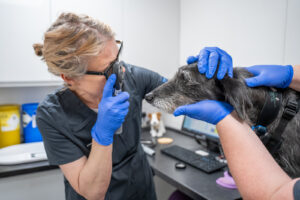
During the Senior Pet Care Focus, VetPartners practices will be encouraging owners to book a Senior Wellness Check, with the opportunity for dogs aged seven and over and cats aged nine and over to receive free urine screening as part of the check.
Five simple ways to help your senior pet
- Don’t ignore the little changes: A senior pet may not suddenly show obvious signs of illness. Instead, owners might notice their dog is becoming reluctant to climb stairs, their cat is no longer jumping onto furniture, they are sleeping in different places or they seem less interested in playing.
- Keep them moving – but adapt their exercise: Exercise remains important as pets get older, but their routine may need to change. If a dog is struggling with a long walk, for example, shorter walks two or three times a day may be more comfortable. High-impact activities such as repeatedly chasing a ball may also need to be reduced if they aggravate sore joints.
- Keep an eye on their waistline: Extra weight can put additional pressure on joints, make arthritis harder to manage and increase the risk of other health problems, including diabetes. Older pets may need fewer calories as their activity levels change, so speak to your vet practice about the correct diet and portion sizes. Even a relatively small amount of weight loss can make a noticeable difference to a pet’s mobility and energy levels.
- Don’t forget their teeth: Dental problems become increasingly common as pets get older, and they can be painful even when an animal appears to be eating normally. Regular dental checks can identify problems early, while professional cleaning under anaesthetic, where appropriate, can remove tartar and help protect the teeth and gums.
- Exercise their brains, too: Just like physical exercise, mental stimulation can help keep an older dog’s brain active. You can encourage your pet’s natural scenting skills by hiding toys or treats under small boxes or plastic cups, or by using puzzle toys, feeders and snuffle mats. Keep activities short and enjoyable and always make sure they take place on a non-slip surface to reduce the risk of slipping or falling.
Signs an older pet may need a veterinary check:
- Slowing down or becoming reluctant to exercise
- Stiffness or difficulty getting up
- Tripping or stumbling
- Changes in sleeping patterns
- Weight loss or weight gain
- Drinking or urinating more than usual
- Changes in appetite or eating habits
- Coughing
- Becoming less interested in activities they previously enjoyed
 Honor added: “There are lots of simple things owners can do at home to support an older pet, from maintaining a healthy weight and adapting their pet’s home environment. However, regular veterinary checks are also important because some conditions can develop without obvious symptoms. Finding problems earlier means we can put the right support in place sooner and help pets continue to enjoy the things they love.”
You can find your nearest VetPartners practice here.
Article by Jo Browne, PR & Communications manager, email: [email protected]