
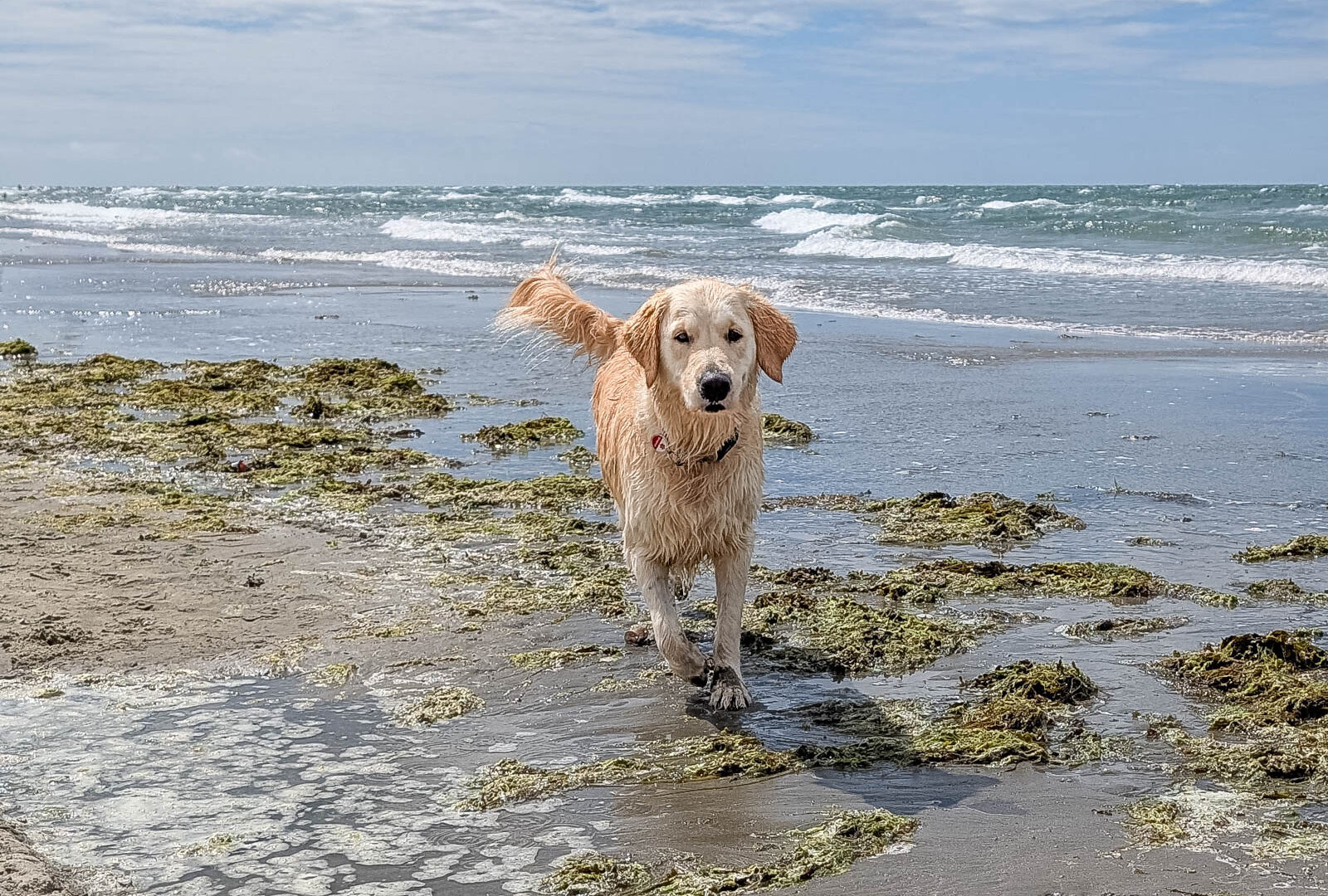
PET owners are being urged to be aware of the potential dangers dogs can face at the beach, to help prevent a fun day by the sea ending in disaster.
At this time of year, VetPartners practices see an increase in the number of pets that have become unwell after a trip to the beach.
VetPartners is raising awareness of some of the most common seaside hazards so owners can take steps to keep their pets safe.
- Rock injuries: Dogs can suffer nasty injuries to their toes and paws by running into or onto rocks, especially when they are chasing balls or other toys and might not be looking where they are going. If you want to play ball with your pet, choose an open area of the beach that’s away from rocks and other hazards.
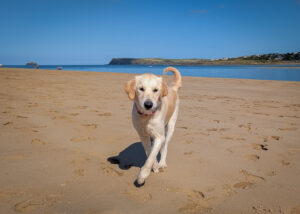
- Sand ingestion: If your dog swallows sand it could lead to a dangerous impaction in their intestines, causing pain, vomiting and diarrhoea. While you might think your dog won’t eat sand, they can swallow it by accident when playing with balls or toys, eating on the beach or licking their coat. Don’t let your dog play with sand covered toys and avoid tennis balls as sand sticks to them, which then goes into your dog’s mouth when they pick them up. Take a bowl for any food you plan to give your dog and ensure their water bowl remains clean and clear from sand as much as possible. It’s also sensible to rinse your dog after you’ve been to the beach to reduce the amount of sand – and salt – they lick off their coat and paws.
- Seawater poisoning: Drinking seawater can cause gastroenteritis, which is vomiting and diarrhoea. Seawater is toxic to dogs because of the level of salt it contains, and it also harbours bacteria and parasites. Take plenty of fresh water with you for your dog so they are not tempted to drink from a rockpool or the sea if they are hot and thirsty but be aware they can also swallow water by accident if swimming or playing with toys in the sea. As well as your dog being unwell, look out for them being excessively thirsty after a trip to the beach, which is a sign of dehydration caused by the salt in seawater.
- Heatstroke: While you may think that on a hot day the beach will be a cooler and safer place to take your dog, this is not always the case. Beaches can have limited shade and, if the sand gets hot, it can be uncomfortable for paws. If you own a young or excitable dog, they might not know when to stop and will run, swim and play all day, which increases their risk of over-exertion. To prevent heatstroke, visit the beach at a cooler time of the day, provide shade such as from a be
 ach umbrella and make sure your dog stays hydrated.
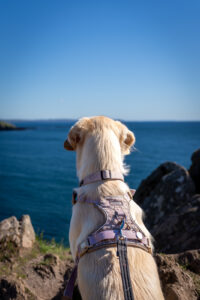
 - Cliff falls: Pets can be in danger on coastal paths because they are not familiar with the terrain or they may be distracted by wildlife or other dogs, and a fall from a great height can result in serious injury or death. It’s really important to keep your dog on a short, secure lead at all times when close to sheer drops and avoid using a retractable lead.
VetPartners vet Amy Jennings said the key to having an enjoyable, incident-free trip to the beach with your dog is to be prepared and to stay vigilant while you’re there.
Amy said: “Going to the beach with your dog can be a lot of fun for both of you, but plan to take your dog when it’s a comfortable temperature and not too hot. Take plenty of fresh water with you, ensure your dog has a shaded area to rest in and limit their time in the sea.
“There can be lots of temptations for dogs at the seaside, so it’s important to keep a close eye on them to make sure they don’t eat anything they shouldn’t, such as washed-up crabs, seaweed, and left-over picnic food or rubbish, all of which can make them very ill. Watch out for discarded fish, too, which can seem like a tasty treat to pets but might contain fishhooks that can damage mouths or the throat and stomach if swallowed.
“Also, keep your dog in sight when they are swimming in the sea, and consider using a dog life jacket to keep them afloat. Watch out for jellyfish, too, as a sting could trigger a potentially fatal anaphylactic shock. Symptoms of a jellyfish sting include blistering, burning pain, changes in heart rhythm, difficulty breathing, itching, nausea, fever, excessive drooling, vomiting, swellings and hives.
“If you are concerned your pet appears unwell after a trip to the beach, seek veterinary advice immediately, and be aware that in some cases, such as sand ingestion, they might not show signs of being unwell until the following day.”