
VetPartners is proud to be an Armed Forces-friendly employer.
By signing the Armed Forces Covenant, we have reinforced our commitment to treating those who serve or have served in the military, and their families, with fairness, respect and understanding. We recognise the valuable skills, experience and perspectives that members of the Armed Forces community bring to our business.
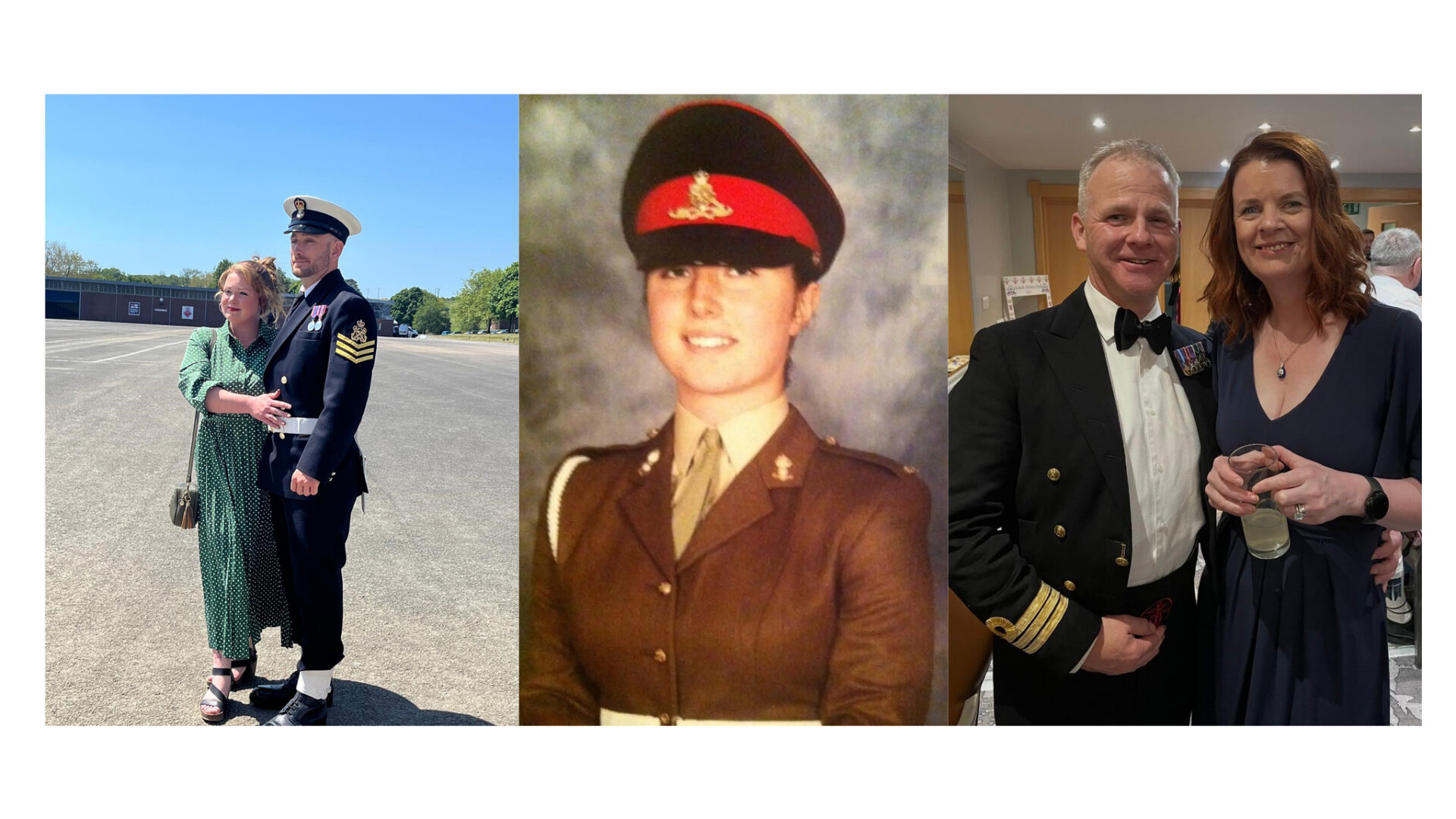
This commitment has been particularly meaningful for three colleagues within our central support team – Army veteran Beth Moorhouse and military spouses Fiona Andrew and Christina Collins, whose husbands are currently serving in the Armed Forces.
Whether adapting to life after military service, balancing a career with the demands of military family life, or managing frequent relocations and periods of separation, each has faced unique challenges. Through their roles at VetPartners, they have been able to build rewarding careers while bringing resilience, adaptability and dedication to the workplace.
As we mark Armed Forces Day on June 27th, Beth, Fiona and Christina share their experiences and explain how VetPartners’ support has helped them thrive both professionally and personally.
From army boots to veterinary operations – Beth’s new mission
 AFTER years of service in the Army, where discipline, teamwork and resilience were part of everyday life, former soldier Beth Moorhouse found herself searching for a new challenge. Today, instead of firing high-velocity missiles as part of the Ground Based Air Defence unit, she supports veterinary practices and animal healthcare businesses as an Operations Support Manager in the VetPartners central team.
For Beth, the transition from military life to the veterinary sector may seem unusual, but she says many of the skills she developed in the Army have proven invaluable in her new career.
“In the Army, you’re trained to stay calm under pressure, solve problems quickly and work closely with a team,” she said. “Those same qualities are essential in a busy VetPartners environment.”
Beth joined the 12th Regiment Royal Artillery, based in Thorney Island near Portsmouth, at the age of 17. Having seen both her father serve in the Royal Military Police and her stepfather serve in the Royal Artillery, she was keen to follow in their footsteps.
As a military child, Beth was accustomed to moving around the country. During her Army career, she travelled extensively, spending time in Canada, Germany and Estonia. In Estonia, she took part in winter warfare training and was involved in supporting allied forces helping to protect the country against potential Russian military threats.
While she valued the opportunities and experiences that military life provided, the demands of service often meant spending long periods away from family and friends. Four years ago, Beth decided it was time for a new chapter and left the armed forces to retrain in project management and operational support.
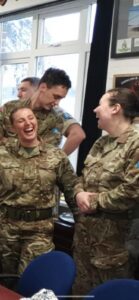 Today, her role as Operations Support Manager requires strong leadership, organisational skills and the ability to adapt quickly – qualities that military veterans often possess in abundance.
Beth believes employers have an important role to play in helping veterans transition into civilian careers.
“It is so important that employers like VetPartners support military veterans and their families,” she said. “Many veterans can feel isolated or lonely when they leave the armed forces, so finding an organisation where you feel welcomed, supported and valued makes a huge difference.
“Being in the military changed my life and shaped me as a person. I went from being timid and shy to becoming disciplined, motivated and confident. It was one of the best experiences I could have wished for.”
Beth’s journey demonstrates how the skills developed through military service can transfer successfully into entirely different sectors. While her mission may have changed, her commitment to supporting people, solving problems and making a positive impact remains as strong as ever.
Why employer support matters for military families
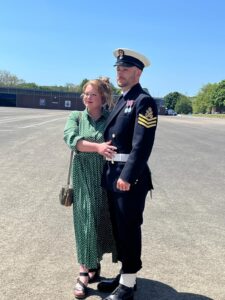 WHEN her son Jacob was just six months old, Christina Collins’ husband Ben was deployed for three months. Over the next several years, his naval service took him to many parts of the world on military operations aimed at deterring, disrupting and prosecuting maritime piracy, meaning the family spent long periods apart.
Like many military spouses, Christina learned to balance family life at home while supporting her husband’s career at sea.
Communication was limited to occasional satellite phone calls, often interrupted by poor reception, making even simple conversations feel precious. Rather than being able to share everyday moments together, the couple had to make the most of brief opportunities to connect, relying on trust, patience and commitment to maintain their relationship.
Being a military wife often means celebrating milestones from a distance, adapting to changing schedules and finding strength in routines while a loved one is away. Although the separations can be challenging, many military families develop a deep appreciation for the time they do have together and a strong sense of resilience as they navigate the demands of service life.
Christina, an RVN-turned-Business Development Director at VetPartners, admits life would be difficult without an understanding employer while Ben, a Chief Petty Officer in the Royal Navy, is away from home. As Chief Instructor at the Navy’s Seamanship School, he works away all week in Plymouth, returning to the family home in Taunton at weekends unless he is on duty.
“During our time together, Ben’s job has taken him to seas off South Africa, the United States, India, the Caribbean, Gibraltar and the Strait of Hormuz in the Persian Gulf,” she said.
“Juggling life as a working mum, with only a small support network around me, and having a husband who works away is always a challenge.
“VetPartners knew my circumstances when I started working for them and have totally understood and supported me which is so important when you’re married to someone in the military.
“That isn’t always the case for military wives, and some have to give up their careers because they don’t have flexibility or support from their employer.”
Ben recently received a medal for long service and good standing, reflecting his dedication, commitment and impeccable record.
Christina said: “It was a very special moment for our family. Seeing him recognised for his dedication and commitment made me incredibly proud.”
She added: “I am very lucky having a career I am passionate about and being able to have that along with a family and a husband who is in the military.
“His service requires a great deal of sacrifice and hard work, and I have seen first-hand the commitment it takes. We support each other’s ambitions, and I feel fortunate that we can both pursue careers we care deeply about.”
Military wife Fiona champions support for veterans and their families
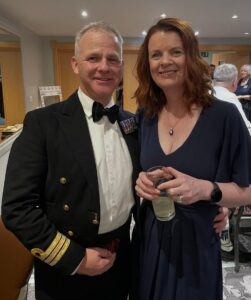 AS a military wife, Fiona Andrew has a unique understanding of the pressures veterans face when they leave the Armed Forces.
Fiona is married to Gary, a Royal Navy Commander who has served on warships and is now seconded to lead the Sea Cadets. Through her experiences as part of a military family, she has witnessed both the sacrifices made by service personnel and the challenges many encounter when transitioning to civilian life.
Whether veterans are coping with injury, PTSD or the difficulties of adapting to life outside the military, Fiona is passionate about ensuring they receive the support they need. Alongside her role as Senior Business Support Manager at VetPartners, she serves as Chair of Trustees for Bravehound, a charity that helps veterans heal from the invisible wounds of military service through specially trained assistance dogs.
Fiona said: “As a military wife, I’ve seen first-hand the sacrifices that service personnel and their families make. Leaving the military can be an incredibly difficult transition, particularly for those living with injury, trauma or PTSD, and it’s vital that veterans know they don’t have to face those challenges alone.
“At Bravehound, we see every day the remarkable difference that an assistance dog can make. These dogs provide companionship, confidence and practical support, helping veterans rebuild their lives and regain their independence.
“Many veterans carry invisible wounds long after their service has ended. I’m passionate about ensuring they receive the understanding and support they deserve and helping them find a path towards recovery and a positive future.”
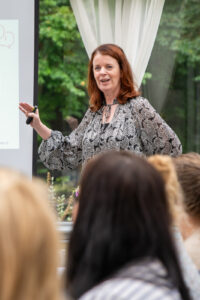 Fiona also believes employers have an important role to play in supporting serving personnel, veterans and their families, recognising the unique demands and uncertainties that military life can bring.
Gary’s role overseeing 62 Sea Cadet units, stretching from Guisborough in North Yorkshire to Orkney and Northern Ireland, requires regular travel to ensure Royal Navy standards are maintained.
Fiona said: “I have been fortunate because we made the decision to buy a house and stay in one place, so I haven’t had to move around.
“We have friends whose marriages have broken down because of the demands of military life. One friend whose husband is a submariner struggles when he returns home after long periods away, having become so self-sufficient while deployed.”
Her experiences have strengthened her commitment to supporting veterans and military families, helping to raise awareness of the challenges they face and the support available to help them thrive beyond military service.
-
By signing the Armed Forces Covenant, we have reinforced our commitment to treating those who serve or have served in the military, and their families, with fairness, respect and understanding. We recognise the valuable skills, experience and perspectives that members of the Armed Forces community bring to our business. Read more here: VetPartners – GOV.UK
For media enquiries, contact Amanda Little, PR and Communications Director: [email protected] or 07970 198492